Lone Peak Elementary

陈老师的中文教室
Mr. Chen's Chinese Class
What have weathering, erosion and deposition done?!
It is beautiful! Good Job!
不同的地形 Different Landforms
一、峽谷(xiá gǔ) - 深(shēn)深的峽谷 Canyon
二、山谷(shān gǔ) - 宽(kuān)宽的山谷 Valley
三、石拱(shí gǒng) - 弯(wān)弯的石拱 Arch
四、平顶山(píng dǐng shān)/小平顶山 - 平平的平顶山 Mesa & Butte(小)
Mesa & Butte
五、 山洞(shān dòng) - 神秘(shén mì)的山洞 Cave


Canyon - a narrow valley with steep sides, usually with a river in the bottom. They can be cut by river action, or frost and ice wedging. A v-shaped one is cut by river action (running water again!) A u-shape, like the photo of Little Cottonwood Canyon, indicates a valley cut by a glacier. A glacier is like river of slow-moving ice.
Valley - a lowland between hills.
Arch - over time water seeps into cracks in the sandstone. Ice forms expanding the surrounding rock and breaking pieces off. Winds clean out the loose particles. The process repeats.
Butte - a steep, flat-topped hill created by erosion. Buttes and their bigger brothers, mesas, are found in dry climates, so they are eroded more by wind and gravity action. They have soft rock layers topped by a harder cap.


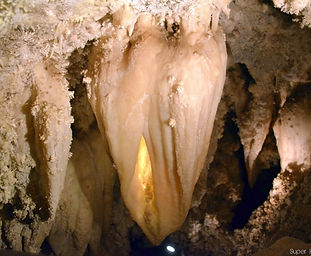
Caves are formed in many different ways. They maybe formed by water erosion, chemical processes, microorganisms, pressure, and even digging.